Speaking and Writing Proficiency Assessment Design and Development Workshop
Speaking and Writing Proficiency Assessment Design and Development Workshop
The series of workshops consisted of one workshop and a symposium.
Where: Synchronous virtual workshops, Harvard University (in-person format), synchronous virtual symposium.
When: Online virtual training on March 6, 7, 13, and 14, 2026, and in-person training at Harvard April 10-11, 2026, and an online virtual symposium May 29 and 30, 2026.
What: SEALC offered a series of in-person and virtual workshops in the spring of 2026 with the goal of designing speaking and writing assessment tests for eight Southeast Asian languages at the intermediate and advanced proficiency levels as defined by ACTFL.
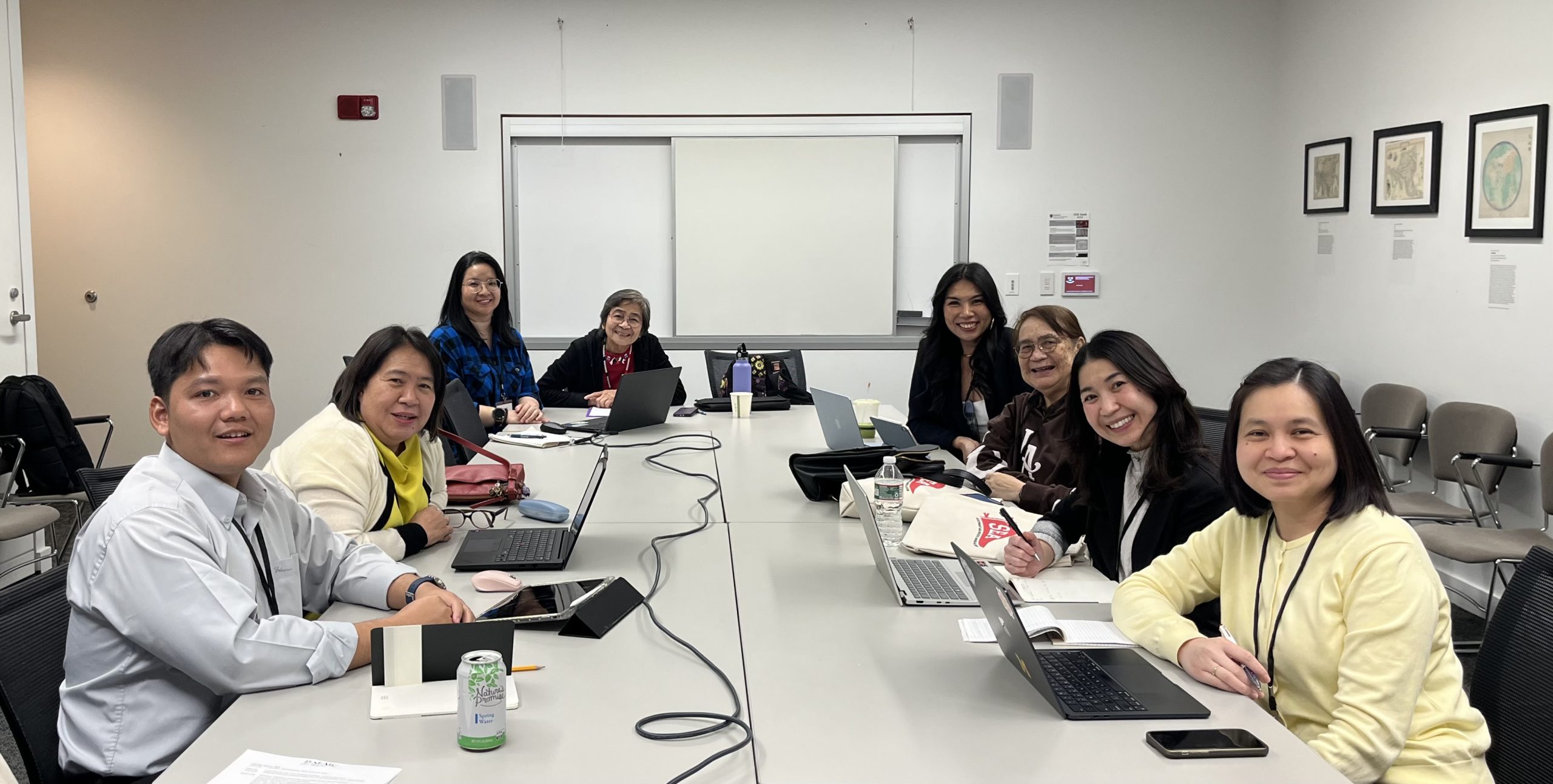
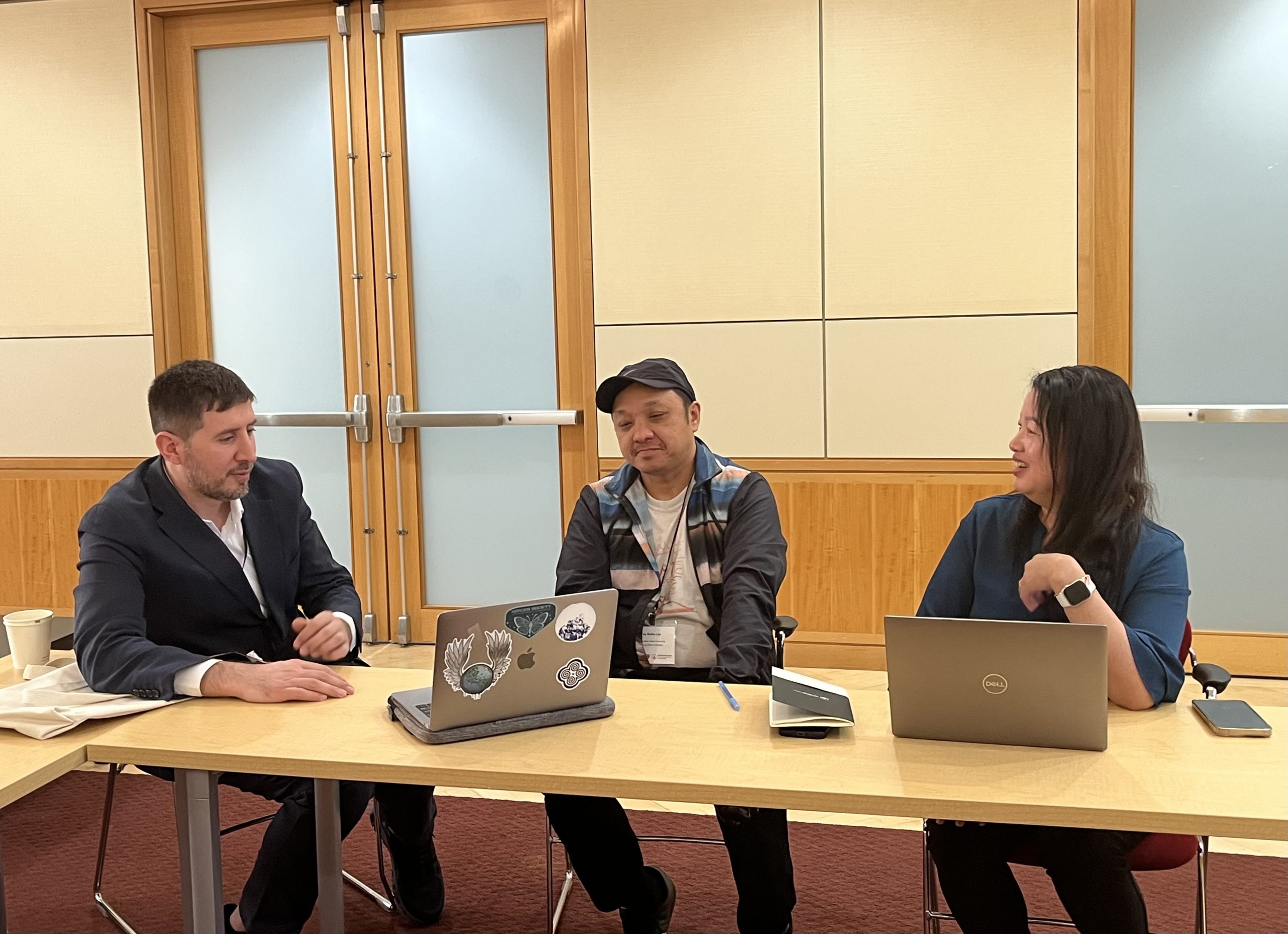
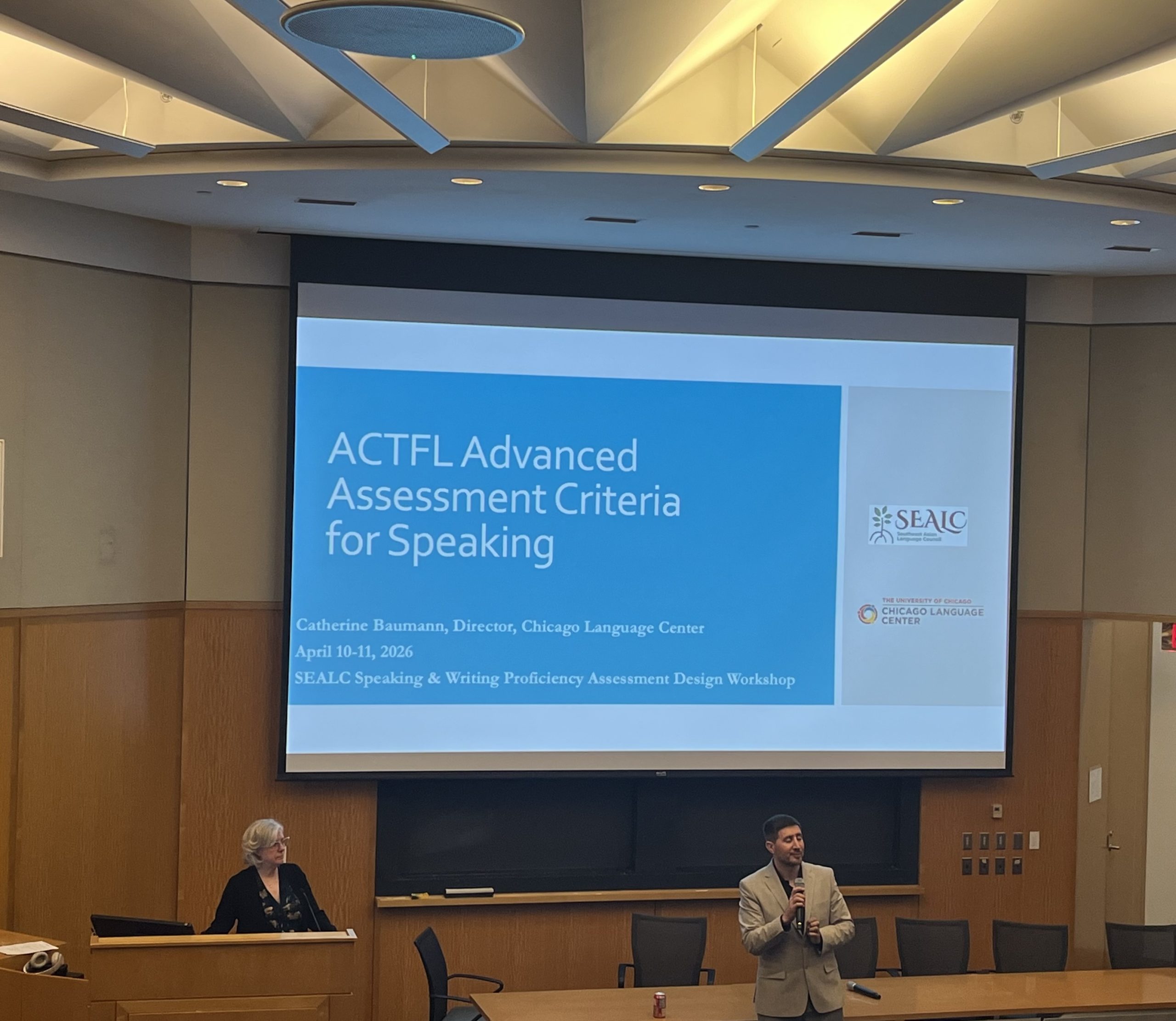
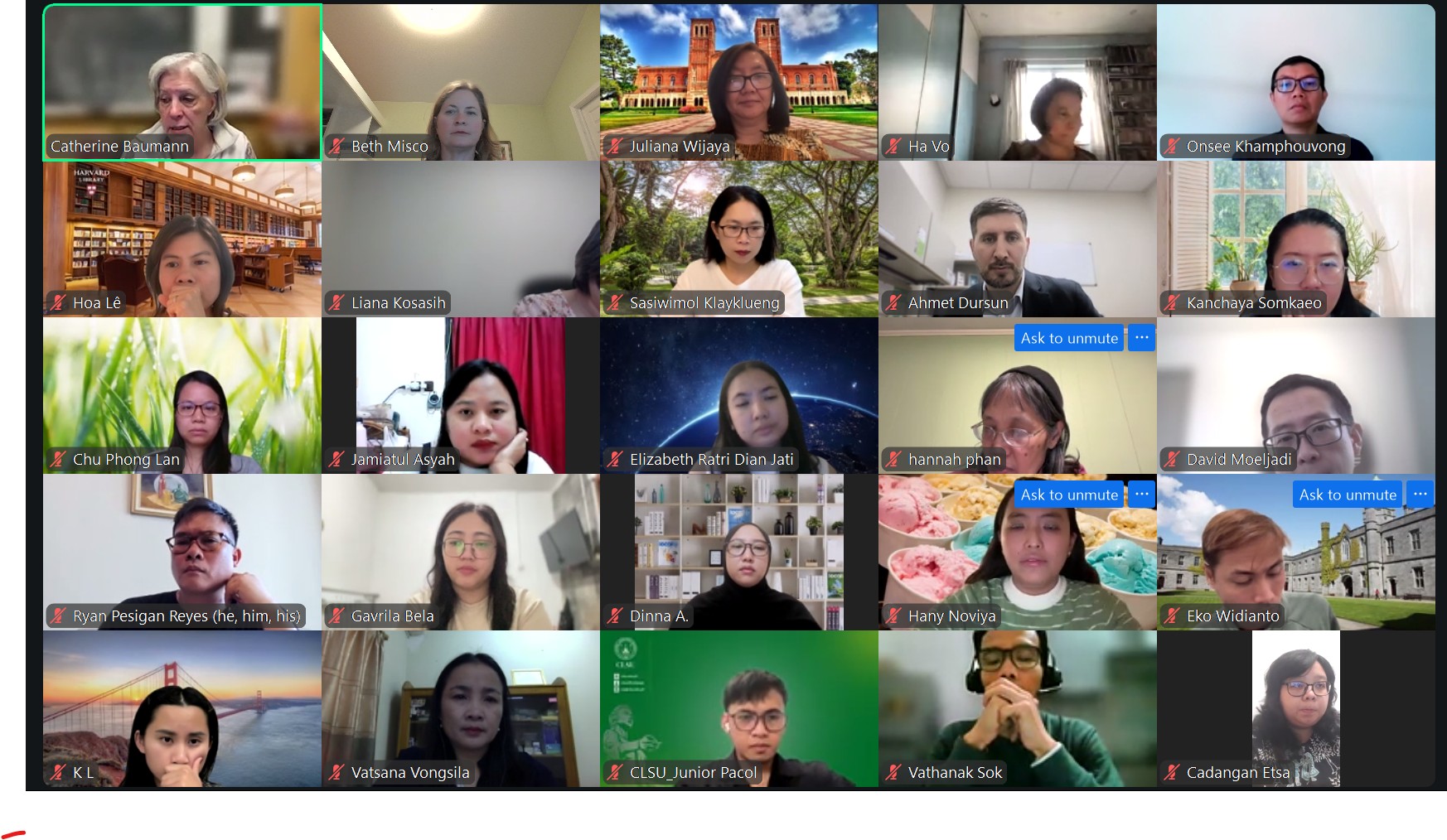
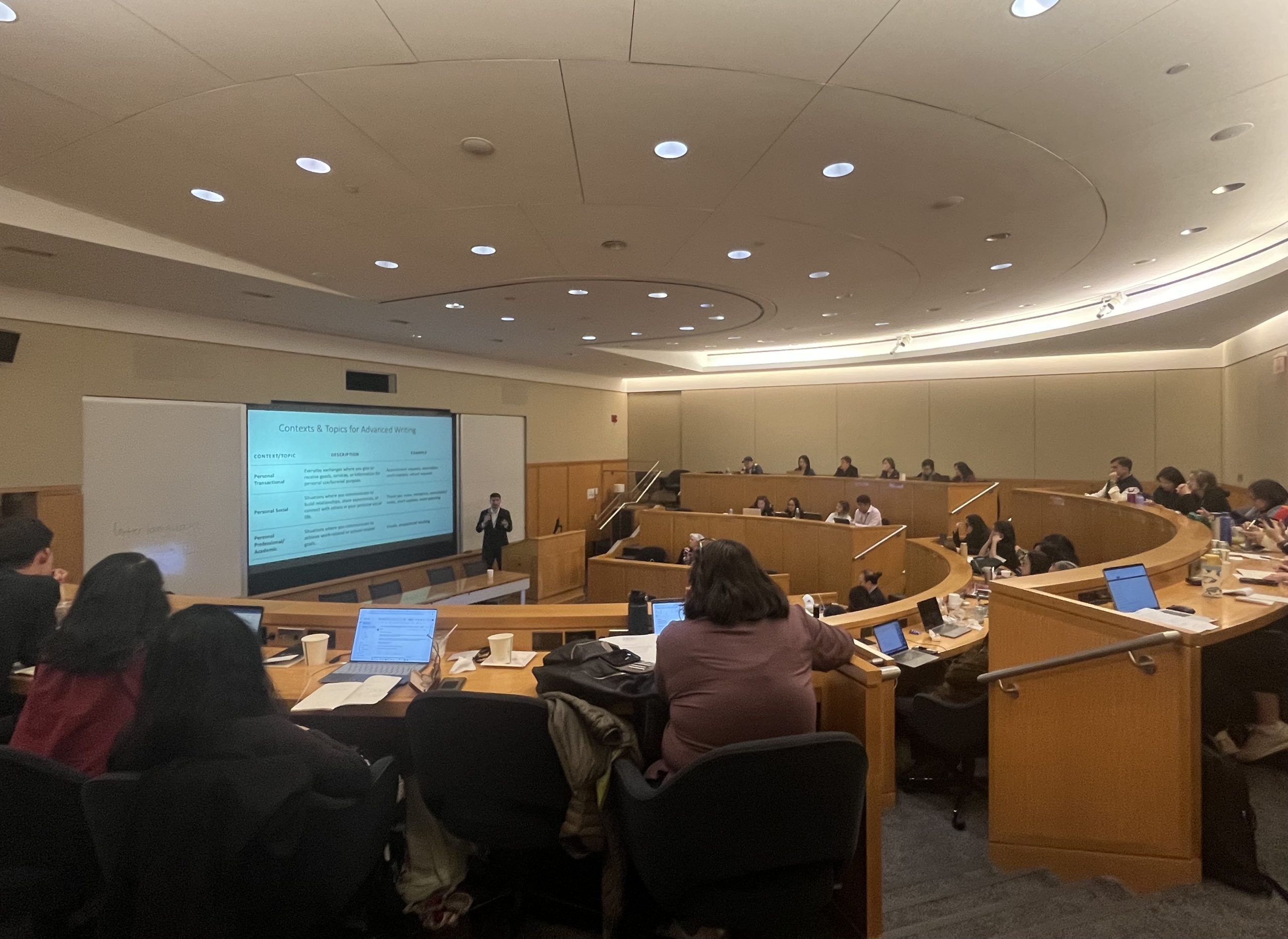
Workshop 2: Listening Assessment Development was offered twice, once in-person at Harvard University and once virtually for those teaching in Southeast Asia. This workshop described the target functions for the intermediate and advanced levels to be elicited, relating them to the ACTFL guidelines. Using the text template provided, the participants created preliminary prompts and tasks for the listening test questions. Then the workshop trainers, Catherine Baumann and Ahmet Dursun, reviewed the work of each group. Ahmet Dursun explained how to apply rubrics for evaluating the newly developed tests. An ancillary benefit of this workshop activity is the fostering of collaborative relationships and a community of practice among the US-based and SE Asian-based language instructors. This professional network will serve the field of SE Asian language teaching well into the future.
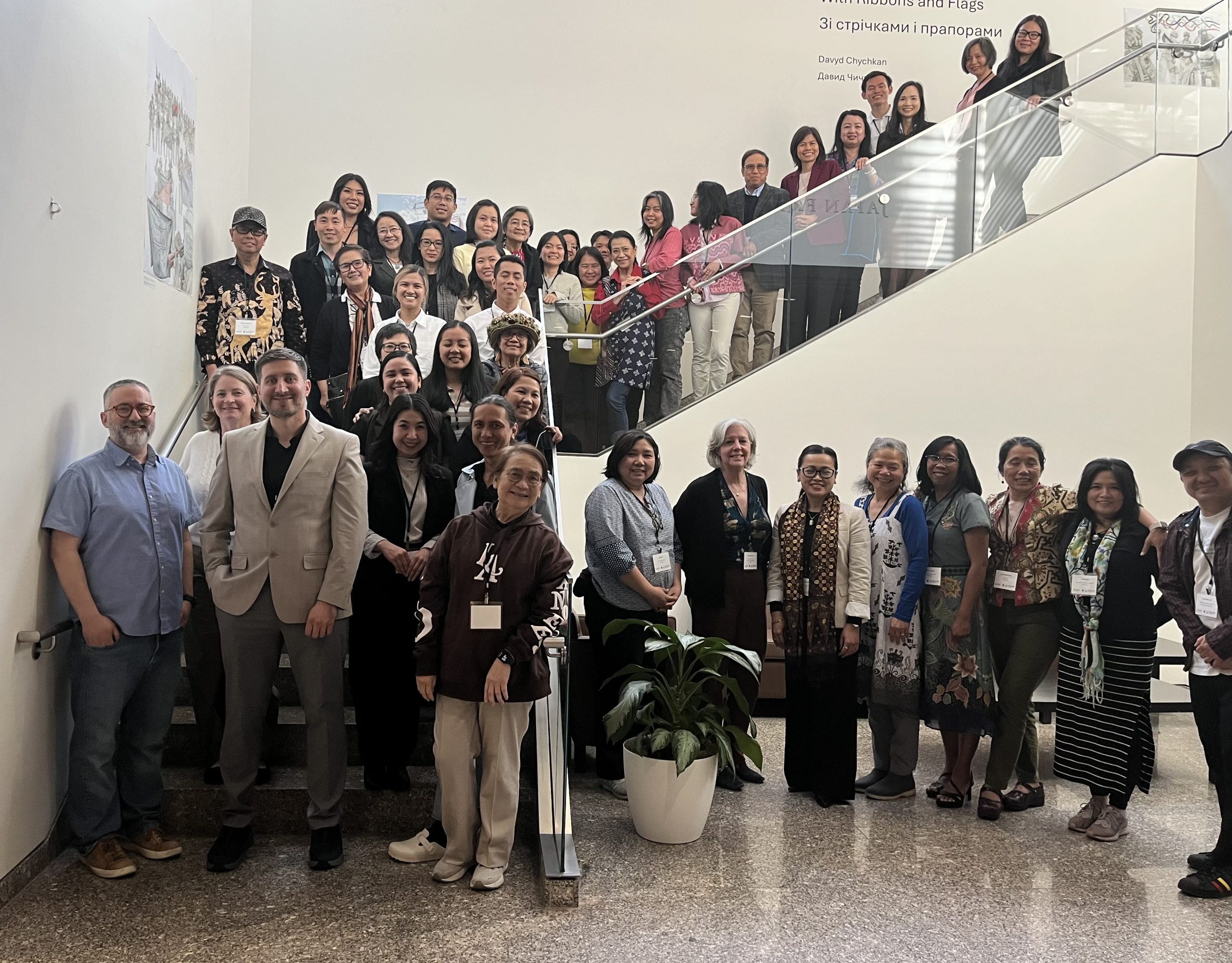
At Harvard University there were 38 participants representing six Southeast Asian languages (Burmese, Filipino, Hmong, Indonesian, Thai, and Vietnamese) and coming from 22 institutions (Arizona State University, Brown University, Clarkson University, Columbia University, Cornell University, Harvard University, Kapiolani Community College, Language Institute, Chiang Mai University, Thailand, Metropolitan State University, National Guard – Virtual Language Center, National University of Singapore (NUS), Northern Illinois University, UC San Diego, UCLA, University of Chicago, University of Hawaii at Manoa, University of Michigan – Ann Arbor, University of North Carolina at Chapel Hill, University of Pennsylvania, University of Washington, University of Wisconsin–Madison, Yale University).
The virtual workshop for those working in Southeast Asia and other locations had 29 instructors, representing six languages (Filipino, Indonesian, Khmer, Lao, Thai, & Vietnamese) and 23 institutions (Ca’ Focari University of Venice, Central Luzon State University, Chiang Mai University, Cornell University, De La Salle University – Manila, Kanda University of International Studies, Language Service Direct, Malang State University, National University of Laos, National University of Singapore, Parahyangan Catholic University (UNPAR), Polytechnic University of the Philippines, PSBBI State University of Malang, Ritsumeikan Asia Pacific University, Tanza National Trade School, UCLA, Universitas Negeri, University of Galway, Ireland, University of Hawaii at Manoa, University of Social Sciences and Humanities, Hanoi, Vietnam, University of Washington, University of Wisconsin–Madison, Vietnam National University).
April – May collaborative work
During these two months, the participants worked virtually in pairs and small groups and developed speaking and writing assessment tests, one each for the intermediate and advanced levels. The tests were reviewed by the trainers and revisions were made prior to the pre-piloting of the tests when the groups took each other’s tests and offered comments. Revised tests were submitted to SEALC.
Symposium
The final symposium was held virtually for all participants on May 29-30, 2026. A selection of groups made presentations reflecting on the process of developing speaking and writing assessment tests. Following each presentation, there were questions, comments, and recommendations from the assembled group.
Watch the Hmong team’s presentation here.
Deliverables
116 speaking and writing assessment tests at the intermediate and advanced levels have been submitted to SEALC. These tests will be made accessible to all who participated in this series of workshops.
The Trainers
Catherine Baumann and Ahmet Dursun, language assessment experts from the University of Chicago, provided the high-quality, intensive training for all the workshops.
Catherine Baumann (Ph.D. in Second Languages and Cultures Education at the University of Minnesota) is a Senior Instructional Professor and Director of the University of Chicago Language Center (CLC). Since her appointment CLC has dramatically expanded its programs, receiving a grant in 2016 from the Andrew W. Mellon foundation, “Transforming Language Instruction at the University of Chicago and Beyond,” and a year later co-founding the Language Pedagogy Innovation Initiative. Both grants support innovation in language pedagogy through an assessment-driven reverse design approach. She consults for language programs in higher education on a variety of curricular and assessment-related issues.
Ahmet Dursun is a mission‑driven leader in educational technology and language assessment, currently serving as Director of Assessment at the College of DuPage and formerly Executive Director of the Office of Language Assessment at the University of Chicago. He specializes in evidence‑centered assessment design, proficiency‑oriented curricula, and research‑driven innovation, with publications spanning language testing, domain analysis, and technology‑enhanced instruction.
He is also the founder of Pedametric, a consultancy built to serve and designed to scale—where pedagogy meets precision. Created to address the gap in access to high‑quality language education expertise, Pedametric aims to advance multilingual program design, assessment innovation, and educational research. Pedametric delivers evidence‑based, customizable solutions that help organizations build scalable and impactful language learning and assessment ecosystems.